

Leafhoppers Are Starting To Show Up
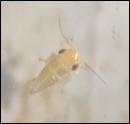
In the last couple of weeks, we have detected, at several marshes, the presence of very small leafhopper nymphs that are most likely blunt nosed leafhoppers (BNLH). While the presence of BNLH is still sporadic in WI, with the vast majority of marshes not having BNLH present, it is strongly recommended to monitor by sweeping beds from mid-May to mid-June to ensure that BNLH is not establishing on your marsh. BNLH being the only known vector of the cranberry false blossom disease phytoplasma, it is important to monitor for their presence. A handful of marshes in 2020 and 2021 have also experienced high densities of leafhoppers (100-200 per sweep set) and such densities can cause feeding damage and drain the water and sugar from vines.
- In young beds, new varieties, and/or beds with known false blossom disease incidence, it is recommended to apply an insecticide when reaching 20 BNLH nymphs per sweep set.
- In older beds, older varieties, and beds with no incidence of false blossom, this threshold can be increased to 40 BNLH nymphs per sweep set.
- If you have a history of leafhopper feeding damage, the threshold would likely need to be lowered this year to about 20-30 leafhoppers per sweep set.
If you reach any of these thresholds prebloom, several insecticides provide good control against BNLH nymphs and these include the broad spectrum organophosphates (e.g., Orthene, Imidan, Diazinon), carbamates (e.g., Sevin), or pyrethroids (e.g., Danitol, Fanfare). Regarding Fanfare, please refer to this previous article regarding use patterns. Neonicotinoids are also efficacious against leafhopper nymphs but are not recommended prebloom as the active ingredients can be found in flowers and affect pollinators. For organic growers, while we did not assess organically-approved insecticides against leafhoppers yet, Pyganic is likely to be the most effective pre-bloom.
If you find high numbers of BNLH adults postbloom (>40 per sweep set), you may consider a postbloom application after mid-July with either an organophosphate (see above) or a neonicotinoid (Actara or Venom), depending on the timing and PHIs. Pyganic will likely remain your best option for organic production.
As always, read the labels and follow all label instructions and check with your handlers before using any chemical products.
Happy growing season!
This article was posted in Cranberry, Insects and tagged Blunt Nosed Leaf Hopper, Christelle Guédot, Cranberries, insects, Leafhoppers.